Since the end of 2010 we have stopped blogging directly on the site and
now use our Facebook page for blog updates. For all our latest news please visit our Facebook page and become a fan!
We have worked in Brazil, Honduras, Mexico, Angola, Cameroon, Chad, The Gambia, Guinea, Kenya, Madagascar, Mali, Nigeria, South Africa, Tanzania, Palestine, India, Malaysia, Nepal, Zambia, the UK, the Marshall Islands and the Comoros Islands. Please click on the map below to find out more about a specific project or visit our blog page for our latest news.
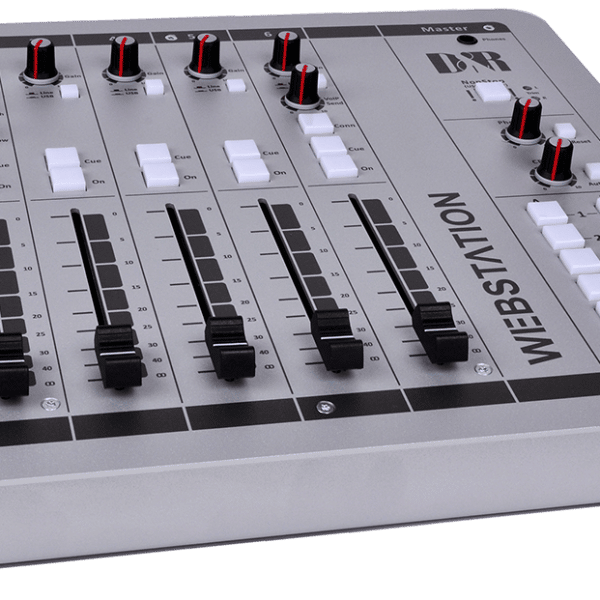
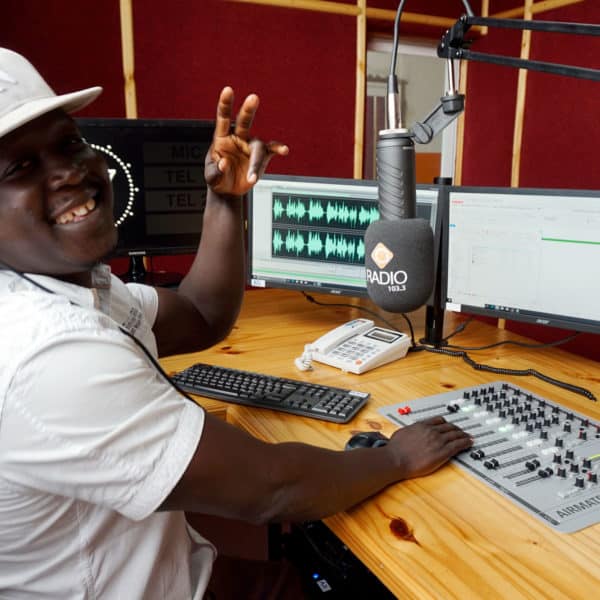
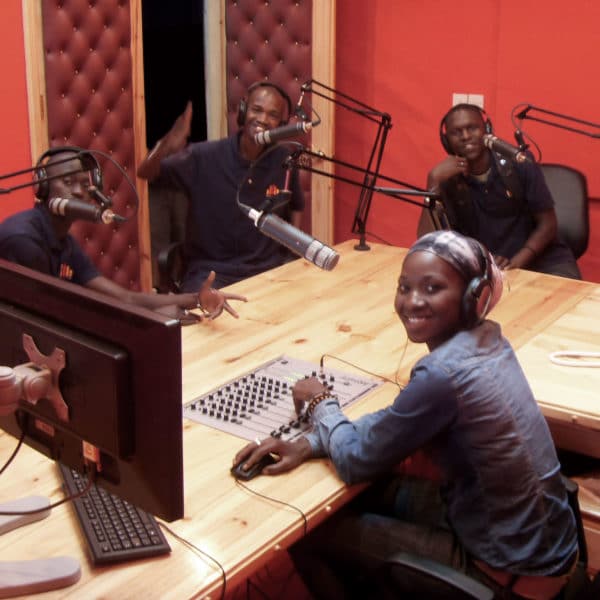
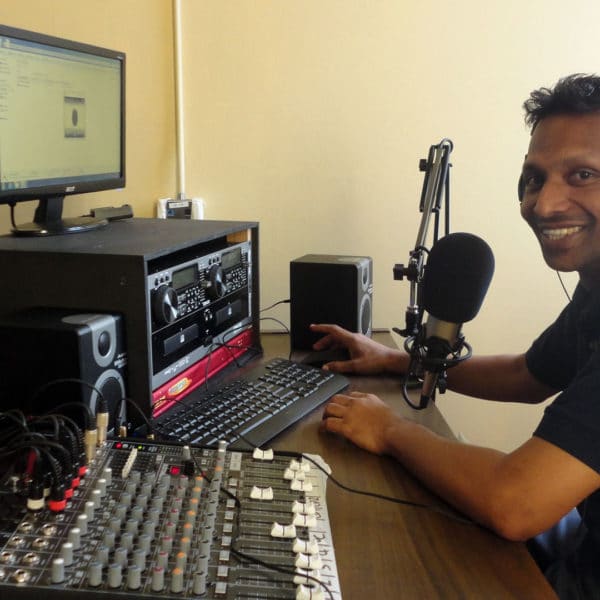
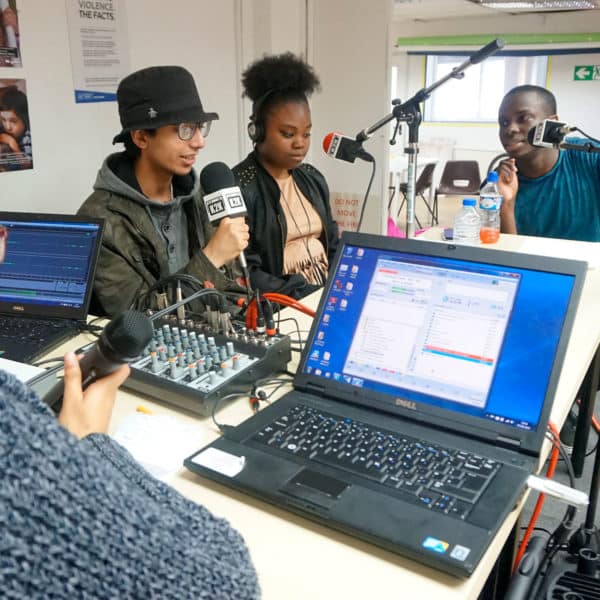
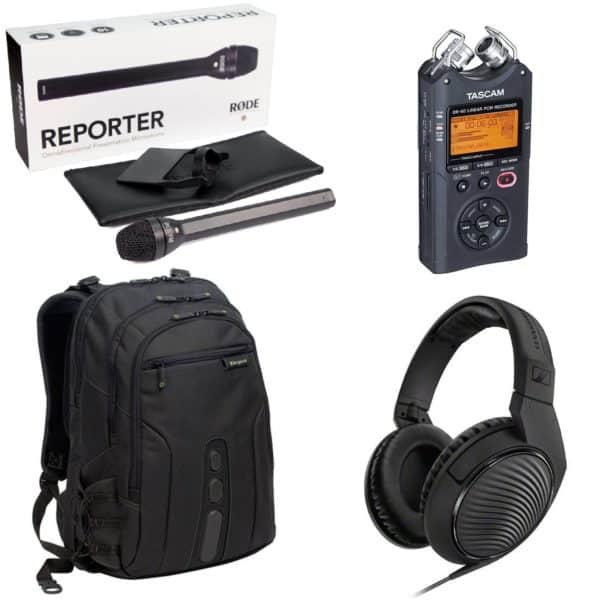
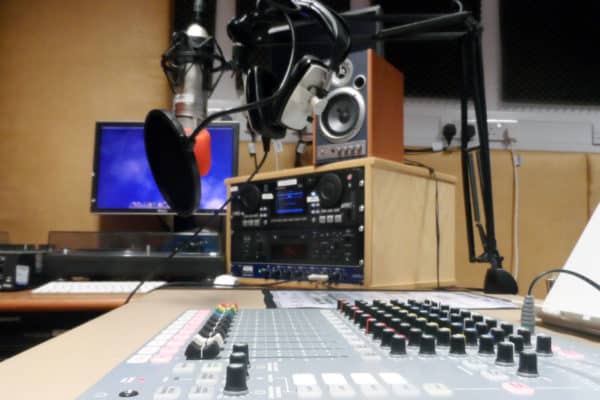
It does not have to cost a fortune to set up your radio station and start broadcasting. We can help you to choose the equipment that will be most suitable for your needs and budget.
If you are looking to build a radio station, please have a look at these three different equipment packages that we have created to provide as much funcionality as possible within different budgets. Please note that the equipment in each package can be altered in any way to suit the specific needs of your project.
Once you have had a look at what we offer, please fill in our services form to tell us about your specific needs and to see how we can help.
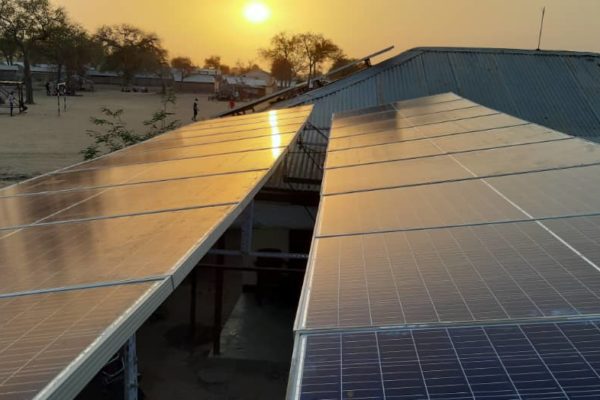
Our experienced engineers offer complete technical services for setting up radio stations, including feasibility studies and planning, studio design and construction, installation of radio stations, radio and IT networks, recording studios and PV solar power systems, online radio setup and website design.
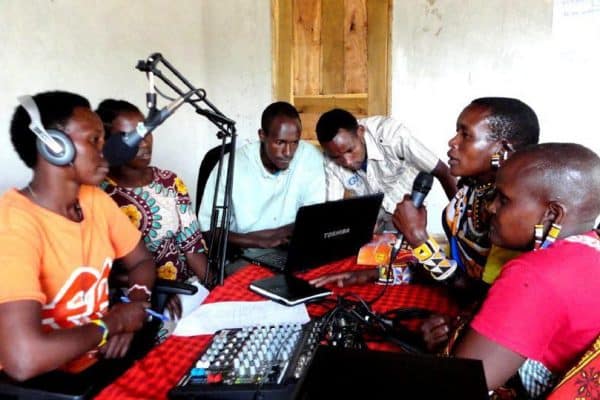
There are many skills involved in establishing and running a successful community radio station. We have professional trainers who will train station staff in radio engineering, radio production and station management.
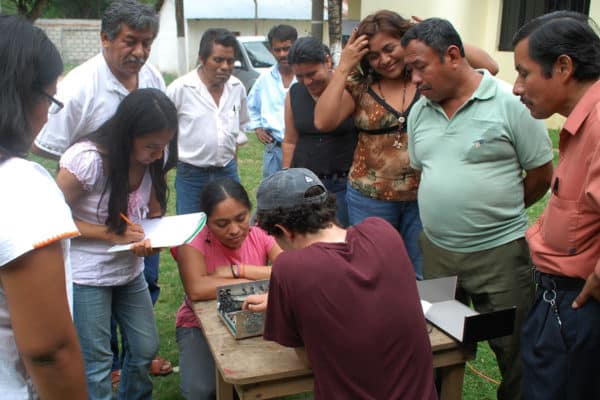
December 2008: Members of UCIZONI follow a transmitter workshop to help them prepare for another journey for Radio Itinerante, their project taking a radio station to communities around the North of the Isthmus of Tehuantepec in Oaxaca, Mexico.
December 2007: RadioActive worked with the Sunshine Development Organisation in Kapilvastu in southern Nepal where Radio Kapilvastu 104.2 is now on the air!
January 2009: RadioActive worked with staff at Radio La Comunidad en Santo Domingo Petapa, Oaxaca Mexico on a survey to find out what people in their community want from their radio station and to get them involved!
Here is a video clip of the Mayor of Nkambe Mr Mangoh Jones talking about the impact of Donga Mantung Community Radio on their region (in North West Cameroon), two years since its inauguration.
Here is a short film about Radio Meva Ankarana, the first solar-powered radio station we built, in Madagascar.
Since the end of 2010 we have stopped blogging directly on the site and now use our Facebook page for blog updates. For all our latest news please visit our Facebook page and become a fan!
Older blog posts are below..
Vaalwater, South Africa: RadioActive installs radio and recording studios and trains young people at Waterberg Welfare Society! November 16th 2010
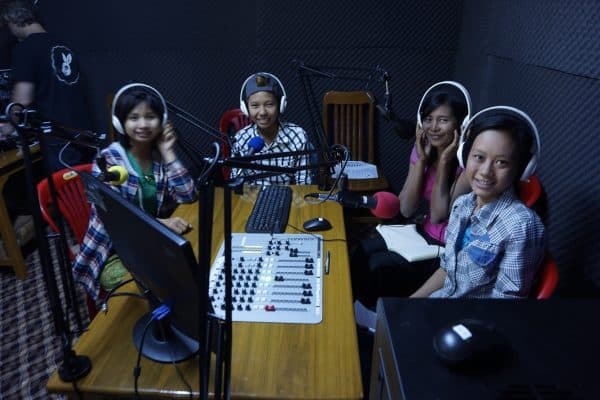
Working with New Era Container Conversions and Waterberg Welfare Society, a hospice, wellness clinic and youth centre in Limpopo Province, northern South Africa, RadioActive has designed and installed radio studios into a 12m shipping container, to be used for teaching radio production and recording skills to young people based in the local area. The first training sessions began on November 12th, with 7 young people aged 19 - 24 learning how to run their own radio shows, record music and promote the positive message of WWS to the local community.
Thanks to Zack Belanger for donating his time to help with the acoustic design of the studios and journalists Jonisayi Maromo of News Flash news agency and David Smith of Okapi Consulting for providing additional radio training workshops.
High Wycombe, UK: RadioActive starts work on Awaaz FM - our first community radio station in the UK!
October 28th 2010
Awaaz FM is a new community radio station supporting the Asian community of High Wycombe. RadioActive was hired to conduct a feasbility study, provide and install all of the studio and transmission equipment and train up the station team to run the studios. The studios are now installed, waiting for Ofcom to give them permission to start test transmission. Come back soon to find out when they are going on air!
Colnbrook IRC, West London, UK: Radio Colnbrook is on its way!
June 2010
Working with detainees at Colnbrook Immigration Removal Centre, RadioActive has started teaching radio classes to help establish an internal radio station at the centre, providing a space for detainees to discuss the issues that matter to them and learn radio skills. Classes are currently being taught by Radio Trainer and Community Radio Expert Lol Gellor who set up Sound Radio.
Tsavo National Park, Kenya: Radio Tsavo begins training! April 12th - 17th 2010
In April 2010 a team of rangers and officers from the Kenya Wildlife Service and staff at environmental NGO Amara Conservation were brought together for a week of RadioActive radio workshops, as part of the development of Radio Tsavo, a new radio station with a conservation focus to be based in the area around Tsavo West National Park.
Workshops covered topics such as formats of radio, elements of a radio programme, how to conduct a listener survey, writing and delivering an introduction to a radio show, hosting a talk show, basic technical terminology and the physics of radio.
Speaking about the training, KWS Education Officer Joan Lenkaak said: "Thank you to the organisers of this training and the trainers. It has been very educative and I have learned a lot about radio. I had never been on the radio before, but now people are saying that I have a good voice for radio, so I am hoping to carry on and participate in Radio Tsavo once it is up and running."
KWS Deputy Warden Peter Kamau had this to say about Radio Tsavo: "Thanks to Amara for the idea of setting up this station. I believe that this radio station will be an important platform whereby conservation stakeholders will have the opportunity to discuss issues concerning conservation and discuss problems and come up with solutions. Information is power, and with this radio station in Tsavo there will be a better exchange of information and we will have a much higher chance of solving most of our conservation problems."
To listen to an audio montage and thanks from the students at our recent workshops, please click here.
West London, UK: The RadioActive Show broadcasts on Avenues FM! February 17th - March 11th 2010
Every thursday between these dates we are running a show on Avenues FM 87.7 MHz in London from 1 - 2pm GMT and online at www.avenuesfm.com, talking about our projects and the places where we have worked, hosted by RA Director Max Graef Please tune in!
First week: Madagascar. With interviews with Christi Turner, who worked in Madagascar for 5 years and Modeste Hughes, a Malagasy musician now based in London.
Second week: Brazil. With interviews with Herbeson Alves from AfroReggae and Alex Kawakami from the MST, and featuring guest stars Red I Rob and Airklipz performing live on the show in our local talent section.
Delta Region, Nigeria: Desu FM goes on the air!
December 1st 2009
RadioActive Engineer Mark Benewith went to Nigeria in November 2009 to work with the Delta State University and set up DESU FM - the area's first university campus radio station. Once the station was installed, Mark trained up a team of local radio journalists in studio use, digital editing and transmission system maintenance.
Broadcasting with 150 Watts, the station aims to provide a voice for the student population of Abraka with educational progamming as well as local news and music.
Pará, Brazil: Radio Resistencia Camponesa goes on the air!
November 17th 2009:
The final stop on our tour with the MST in Brazil involved a visit to the beautiful island Ilha do Mosqueiro, near Belem do Pará in the North of Brazil. Working with young people from the local area, Max helped get Radio Resistencia Camponesa's transmitter and antenna installed to get them on the air. Before providing two days of technical workshops.
Radio Resistencia Camponesa provides a unique space for young people in the community to come together, learn computer and radio skills, play music and get engaged in local culture and the local community issues.
Ceará, Brazil: Lagoa do Mineiro FM gets a makeover!
November 5th 2009
Lagoa do Mineiro FM, a community radio station based near Itarema in Ceará, in the North-East of Brazil, has been providing the 8 MST settlements and other community members in the area with local news, music and information for several years now. As the third stop on our tour with the MST, RadioActive's Max Graef and Camila Bonassa of the MST worked with the volunteers who run Lagoa do Mineiro FM to increase the power of their transmitter, install a new antenna and antenna cable, and provide 10 days of radio workshops. Workshop topics included jingles, digital editing using Adobe Audition and Audacity, Zara Radio, radio spots for social change, sources of information for news, basic computer skills and developing new programme ideas.
Thanks to all the people of Lagoa do Mineiro for looking after us so well!
Pernambuco, Brazil: Radio Cultura Viva up and running!
October 28th 2009
The second leg of our trip to work with the MST took RadioActive's Max Graef to Pernambuco, where the MST have a college called the Centro de Formação Paulo Freire, used as a training centre for MST members from all the nearby states. Here our role was the installation of a radio speaker system, an internal radio station for the centre, to keep students and staff informed and provide a studio for radio training workshops.
As well as setting up the speaker system and radio studio Max worked with MST coordinator Camila Bonassa to give ten days of technical workshops in radio production and studio maintenance.
Bahia, Brazil: MST FM goes on the air!
October 12th 2009:
In December 2009, RadioActive returned from a 6 week trip to Brazil working with Brazilian landless workers' movement MST (Movimento de Trabalhadores Rurais Sem Terra). The first stop on this trip was to help set up MST FM in Wenceslau-Guimarães, a small town in Bahia.
After 10 days of installation and training, the station was on the air and left in the capable hands of members of the local community and MST settlers. The focus of the station will be to provide a local source of news and information, a platform for discussion and debate and a place where young people can learn to make radio and express themselves.
For more information on the MST, please visit their website: www.mst.org.br.
Nkambe, Cameroon: Savannah Frontier Radio goes on the air!
July 22nd 2009
The people of Nkambe, a small vibrant town in the North-West province of Cameroon, spent the last three years celebrating their first community radio station. Now they have two!
Savannah Frontier Radio was set up by local Member of Parliament Honourable Awudu, with its primary aim being to promote climate change awareness in the North West. In addition it will compliment DMCR as another source of news, entertainment and information for the area.
Kumbo, Cameroon: Bui Community Radio in Cameroon goes on the air!
July 14th 2009
Working with Cameroonian NGO ANCO, the Apiculture and Nature Conservation Organisation, which works on biodiversity conservation, sustainable land management and poverty reduction, RadioActive supplied and installed the equipment and trained local staff up to get Bui Community Radio, or BCR FM, set up and on the air, on the outskirts of Kumbo town in the North West province of Cameroon. ANCO will be responsible for the station, with a team of six local journalists in charge of running the station day to day.
BBC journalist Kate Adair worked alongside RadioActive's Max Graef to train up local staff in basic radio journalism, radio production and looking after the equipment. ANCO's founder and coordinator Paul Mzeka was very pleased with the setting up of the station, saying "Thanks immensely for all you have done and are doing for ANCO and the community of Bui."
BCR FM are now looking for volunteers who could help train up their staff further. If you would like any more information on the project, or would be interested in volunteering, please contact us.
Kings Cross, London: RadioActive exhibits new mobile radio station at SHINE09 May 15th-16th 2009
SHINE09, an annual conference for social entrepreneurs, was held at King's Place and The Hub, Kings Cross this year, and we had the opportunity to exhibit our newly-built mobile radio station, designed for the Kenya wildlife radio project we have been working on over the last couple of years. The station was given a test run at the conference, and was used to record interviews participants at the event about their work. The interviews will be up shortly on the SHINE website. BBC Radio 1 Newsbeat Assistant Editor Tom Bateman volunteered to help at the event by conducting interviews with SHINE participants.
London: RadioActive Director Max Graef graduates from the School for Social Entrepreneurs May 15th-16th 2009
The School for Social Entrepreneurs (SSE) in London provides social entrepreneurs with training and support for their budding social enterprises. Max recently completed a year's course at the SSE to help improve RadioActive's capacity and ability to deliver its services. We would like to thank all of the staff and other students from the school who made the year a success.
Banka, Cameroon: RadioActive installs new community radio station February 22nd 2009
After several years of development, Radio Flambeau is ready to begin broadcasting. Radio Flambeau is a new community radio station based near the rond-point Paachi in Banka, in the West Province of Cameroon. The station is owned and managed by Cameroonian NGO Protege QV and Association des Dames Flambeau, a women's association in Banka. It will broadcast to the towns and villages within a 10km radius of the station, including covering the whole town of Bafang.
The goal of the station is to promote development and well-being in the region around Bafang and Banka, with programming on women's education,agriculture, child-rearing, protecting the environment, family health and promoting local language and culture.
RadioActive was hired by Protege QV to supply and install the studio and transmission equipment for the station, and provide training to the station staff. Radio Flambeau uses one our mid-range packages, but with two computers, one for recording and editing, and the other for broadcasting. The station consists of two sound-proofed studios, one of which is the Control Room, and the other used for recording.
Guardian Films Short Film on DMCR goes online January 17th 2009
British journalist Rachel Stevenson worked as a volunteer at DMCR in November 2008 and shot and produced this short film about the station for the Guardian Unlimited website.
Oaxaca, Mexico: Radio El Nudo Mixteco installed and inaugurated in Santo Domingo Ixcatlan Jan 15th 2009
After 9 months of mourning since the horrific massacre which killed three people in the remote village of Santo Domingo Ixcatlan in the Mixteca region of Oaxaca, Southern Mexico, the residents of the community were very pleased by the arrival and inauguration of their new community radio station - a positive step towards recovery and the reunification of the community.
RadioActive staff Max Graef and Mark Benewith spent 5 days in Santo Domingo Ixcatlan, with volunteer radio production trainer Caroline Dampier and cameraman Alex Kinsman, installing the station equipment, giving basic training to the station team and celebrating with the many community members who came out to celebrate the arrival of the station.
RA works with UCIZONI in southern Mexico January 7th 2009
RadioActive provided a 40 Watt transmission system for Oaxacan indigenous rights group UCIZONI's mobile radio project, Radio Itinerante, a project which involves UCIZONI members taking a small radio station to various indigenous communities in the Isthmus of Tehuantepec and broadcasting for a week in each one. During the week the station team discuss issues of local importance and encourage community members to partipate in the broadcasts.
Nkambe, Cameroon: Volunteers help create new Women's programme at DMCR Dec 5th 2008
Journalists Rachel Stevenson and Tamasin Ford spent two weeks in Nkambe in November 2008, giving workshops to the DMCR staff on news gathering and news reporting, and helping the station team to develop anew weekly programme dedicated to women's issues.
The new hour long programme has been running each Wednesday evening since they left.
Southern Kenya: RA conducts feasibility study for wildlife radio station in Tsavo West National Park August 20th 2008
In August 2008 RadioActive went to Tsavo West National Park in Kenya to conduct a feasibility study for a new wildlife conservation radio station, working with Nairobi-based NGO Amara Conservation and the Kenya Wildlife Service.
Tsavo West National Park is home to many endangered species including elephants, rhinos, lions and cheetahs.
As part of the feasibility study, we visited local station Radio Mangalete, a Kikamba community radio station near Tsavo West National Park.More photos from this trip will be online shortly.
RadioActive and DMCR Cameroon featured in German magazine Human Globaler Zufall July 31st 2008
In July 2008 RA returned to Cameroon to increase the power at Donga Mantung Community Radio in Nkambe, and provide training to their new staff. We were accompanied by journalist Dennis Buchmann and photographer Axel Grunwald, from the German magazine Human Globaler Zufall. The article written by Dennis on RadioActive and DMC Radio is featured in their September 2008 issue. An English translation of the piece is given here:
"The radio squeaks. It is the ear-piercing noise of feedback that appears when you call into a live broadcast whilst leaving your own radio on. Disco Barber, the radio presenter of the programme “Hello Neighbour”, moves his mobile away from the microphone and says: ”when you call in, please switch off your own radio. Now let’s carry on with some happy music.”
In Nkambe, an extensive village in the northwest province of Cameroon, the radio station Donga Matung Community Radio (DMCR) makes people happy. The call-in broadcasts are particularly popular. But as there are no landlines to the studio, Nkambe’s inhabitants call in on Disco Barber’s mobile phone. He switches the mobile to loudspeaker and holds it next to the microphone. That is how easy it is.
Disco, as he is called by everyone, is delighted and smiles through the screen, which separates the recording studio from the technical department. This is where radio engineer Max Graef, 29, stands smiling back. “It is unusual, but it works.” The voice of the person calling in wavers, swallowed by a lot of static from the small loudspeakers in the technical room. Listener Sali Shefu is on line and wishes to hear the song “Nobody wants to see us together” for her boyfriend Mabu Ernest’s aural and dance pleasure.
Max Graef is the father of DMCR. Two years ago he arrived from London with an antenna and a transmitter, with microphones and amplifier and brought DMCR to life. He connected Nkambe with the rest of Cameroon, and the world for that matter, as the news from the state radio CRTV is being amplified in such a way – by means of the new radio station –that one can receive them even from the smallest radio. Newspapers are hard to come by, despite a lot of people being literate, a newspaper vendor says that he only sells about 30 copies a week. No one can afford TV. And this is why in the era before DMCR one could only listen to the noise of corn crops swinging in the wind.
Nkambe. It has to be imagined as one huge corn field, with a higher concentration of houses in the middle and a lower concentration to the outer sides of the field. One or two roads are tarmac, the rest made of red and very fertile mud. Draining water from rain floods has eaten deep channels and holes into the tracks. Now in August it rains a lot and the muddy tracks are as slippery as ice. And everywhere corn plants.
Nkambe is not the first area cut off from news that was connected by Max. Through his company called RadioActive, based in London, he sells radio stations throughout the world. Amongst others they have installed stations in Honduras, Nepal, and Madagascar. To sell the stations and not to give them away is important to them. Not because of the profit, but because of the importance of the community really wanting their station. “When somebody pays for something, then he really wants it and he will take care of it”, he says. Often NGOs pay for stations without the actual receiving community having been asked or properly consulted.
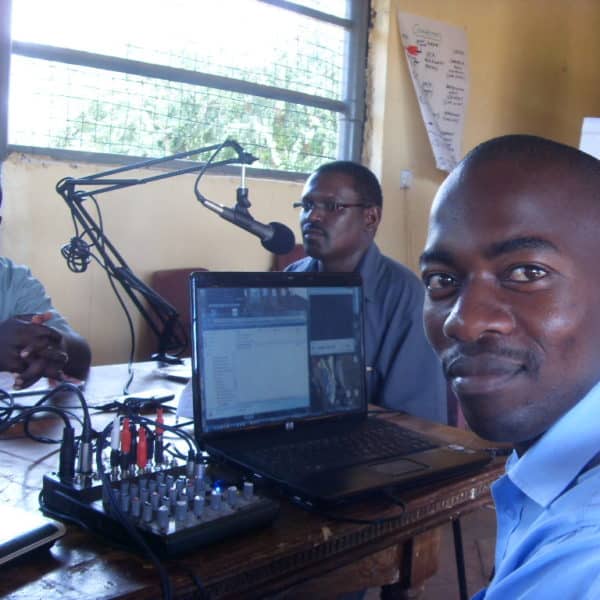
He is all the more happy to be back in Cameroon: “Nkambe is one of my favourite projects. The community raised the funds themselves and is to this day happy about every single minute they broadcast.” DMCR with its reach of roughly 50 km radius did not even cost 2,300 Euros. This time Max has brought along a minidisc recorder, a laptop, two new antennas and a new transmitter for the station. “This is a good opportunity to see what has become of DMCR in the last two years”, he says and looks towards the small table holding the radio station’s entire technical equipment - a mixer, two CD players, an amplifier and an old laptop. The tiny loudspeakers are as always turned up too loud. The mouse for the laptop is missing the right key, you can use the left one. The transmitter is sitting on a small shelf and is sending DMCR through the walls of the house to a 35 metre high antenna. It smells of sweat.
When he installed everything two years ago, he used the little table as makeshift and drew a little diagram of how to build everything. “I found the diagram” he says and waves a creased piece of paper out of a notebook. Nothing of this has been done. Due to lack of funds? Due tol aziness? “No, it is just a different mentality” says Max. “The people concentrate on what they need, right now, to get on the air. This table with the equipment on it is sufficient for them to broadcast, so that's how they've kept it!”.
Only two thirds of the studio is insulated with foam, one of the windows is made up of two pieces of glass, numerous insects crawled inthrough the gap, their dead bodies spread all over the floor. The first impression seems to be that the radio is not all that important to the people from DMCR, but when it runs into problems, they will do anything for it. Not long ago the old transmitter gave up and the community went ahead to hire a new one for the extortionate amount of 1,000 Euros for a month's rental.“They are able to raise that enormous amount of money to hire a transmitter, but not to organise a proper table”, says Max with a smile on his face, without making fun of them.
That he was going to come to Nkambe with journalists was common knowledge a week before his arrival, because everyone listens to DMCR. A little transistor radio costs about 10 Euros, and therefore everyone here constantly listens to DMCR. Same with the mayor Mangoh Jones Tanko of Mbot, who generally is called “Mayor“ or “Lord Mayor” and who has held this seat for more than eleven years. The mayor underlines his status not only with his mobile phone, with which he can watch TV, but also with two huge satellite dishes in his backyard and he drives the biggest car and has the biggest pot belly. It is a matter of honour that the visitors from Europe are dining at his house. There are two spacious sofa sets in each corner, each with a TV screaming for attention. On the left it is SABC from South Africa, and on the right side CRTV, Cameroon’s state-owned channel. On top of this there is a radio droning from the top of the fire place. “Mister Max connected us with the rest of the world!”, says the mayor and chews on a bottle top. “The community was totally cut off from our capital Yaoundé, from Cameroon and the rest of the world, he says. He never uses the word village, only talks about the “community”. “Before we had DMCR, people were convinced they had been bewitched when they died of AIDS. But thanks to Max this is in the past now.”
Not only the mayor adores the curlyhead, the entire village does. During a walk along Nkambe’s main street, he meets an acquaintance.“Mister Max! Welcome!”, shouts Moses, an old man who helped installing DMCR two years ago. For a long time he shakes Max’s hand and nods in a friendly, but timid way while doing so. After exchanging some warm words, Max plays football with Moses’ sons in their garden. “I listen to DMCR from dawn to dusk! Yesterday you were on air!” Moses beams. His favourite program? The announcements.
Several times a day DMCR broadcasts the programme “announcements of special interest”. He who sends 100 Cameroon Francs, about 15 cents, to the radio together with a message, will be guaranteed broadcasting. "Fresh fish arrived. Available at the cold-store.”, it rattles through Moses’ radio. And death announcements. And where what celebration will be held. DMCR even serves as a Lost and Found office, as ID cards and bike keys are regularly left and picked up from here.
Most important though are the educational programmes. The senior medical practitioner of Nkambe often talks about malaria and AIDS and how to protect oneself from the diseases. If vaccination appointments are scheduled at the local hospital, DMCR requests mothers to go and attend these with their children. In the old days, hardly any teachers or doctors came to Nkambe, as they did not want to live in an information vacuum. Today the results of school exams are announced over the radio. A man from the Red Cross says: "I regularly go to the hospital here in Nkambe and record the patient’s wishes. Through DMCR the patient’s relatives out in villages then get to hear that this person requires a new piece of soap or fresh underwear.”
DMCR is open to everyone. Across the entrance hangs a piece of cardboard, which says: ”Use the radio, don’t stay away and complain!”.The waiting room is packed with men and women with children on their laps, patiently waiting for a long time to present their query at the receptionist’s desk. There, hidden behind high paper piles – all of them announcements – the desk is empty and won’t be occupied for sometime. There is a little radio on the window ledge broadcasting DMCR.
Next door down is the office of the boss. He is called “Manager” by everyone here. His friends though call him Disco. Disco Barber. The 28 year old, officially called Tamnjong Richard Ndi, has other jobs on the side – in his CD and tapes shop, he also has a barber chair.
Disco is sitting at his desk swamped by papers reading an educational brochure on AIDS. In the old days he used to read out articles from the newspaper over the huge loudspeakers in front of his shop. Then the community had the idea to install DMCR and the mayor made Disco manager of the new station. Once upon a time he studied French, history and literature for two years. Qualification enough. More than two million people can receive DMCR, the station has a range of over 100 km. This is what Disco believes. He is also convinced that the antenna behind the house is 65 meters high. Max is standing in the corner of Disco’s office, working with the new antenna. He smiles. A closer look on the antenna mast shows that it is put together from 7 pieces each 5 meters long, making a total of 35 meters in height. And in the area around Nkambe – according to Lord Mayor – live 240 000 people. Interestingpieces of information, but not really relevant for Disco to manage DMCR.
“Disco has a heart of gold”, says Max, “but he did not think to ask histechnicians what they needed me to bring out.” Disco does not have aclue about the technical side. He ordered various machines from Max,and the technicians scratched their heads when they heard about hisorder. But it is not that big a problem, somehow DMCR will function andrun. “It is not as efficient as at home, but with a bit of patience andtolerance, it should not be a problem”, says Max and is happy.
Patience and tolerance yes, but initiative at times is still lacking. He asked for a meeting in Disco’s office together with the two trained technicians Fred and Deric and the Assistant Manager Samba Kingsley.The mayors of the surrounding communities have offered twelve new employees, up to now they had only been seven. What a potential for DMCR! “Which tasks can these new employees take on?”, Max asks. Silence. Heads are bowed timidly. Max takes a step back and asks another question: “Could they perhaps do a survey in the communities on what people like and dislike about DMCR?”. The manager murmurs a “yes”, whilst his assistant Samba seems to be nodding off. “Or sell ads?” “Yes, okay,” says Disco. Max says, “I am missing a little bit of enthusiasm, Samba!” And Samba smiles tiredly.
After this little lecture, it is Max who gathers and greets the new employees. The manager stays in his office. Only the mayor, Lord Mayor, won’t miss out on making it very clear to the latest intake who they have to listen to – and puts emphasis on his words by hammering the table with his fists. “You will respect the manager, and the manager respects me!” After this lesson in hierarchy, Mister Max teaches a basic lesson on how to sell ads.
He appears like a prophet, who brought the radio to Nkambe. Two years ago, the Fon – the highest spiritual leader of the village – chose him to be the Ta Nformi, a position that hardly anyone else holds apart from Lord Mayor. Max acts as a catalyser: for two years DMCR has been broadcasting from this building without toilets, drinking water or a bed for the people who do the night shift. But after he told Lord Mayor that perhaps the studio should be fully insulated with foam, the Mayor personally carried in three rolls of foam to the studio the next day.
Max comes from a different world. A world in which people mainly worry about themselves. When during his schooling, at the age of about 18, Max was playing drum ‘n’ bass, hip-hop and reggae at so-called squat parties in London, he wondered what he was going to do with his life. He liked the idea of bringing people together and giving them a good time by providing them with music, so he studied acoustic design.
During his year in the industry as part of his degree, at Kirkegaard Associates in Chicago, he ended up living in a housing co-op with a group of social activists. “There I learnt what it meant to not just talk, but to act”, he remembers. It was 2003, the beginning of the Iraq war, and there were clearly problems in the world that needed tobe addressed. “Acoustic design alone won’t change the world.” Then one of his friends in Chicago asked him whether he would like to join him to start a community radio station in Honduras. This is where Max Graef woke up on the 26th of July 2003 at 5 o’clock in the morning. It was his birthday and he was about to embark on setting up a radio station working with landless farmers, who had occupied abandoned land and were starting a new community there. “This is the new beginning for me!”, Max thought at that moment. After starting and working on radio projects with Chicago-based group Radios Populares for two years, Max returned to England and founded RadioActive.
Today, whilst Max is working on a new strategy on how to sell ads with the new employees, Disco is sitting in the local bar with his football team called Keepfit after their game. Here it is the beer that flows, there it is the radio that runs. There is a Moslem in the studio talking about the advantages of his religion – sitting in the same spot where yesterday a Baptist praised the Lord. All of the religions and languages in the region are represented on the radio. Every Friday there is about half an hour “Muslim Meditation in Fulfude”, one of the 12 different languages that are spoken here. On top of those are French, English, Pidgeon English and Limbum, the language of the large Wimbum tribe. Never mind whether you speak Yamba, Mbembe or Fonte, everyone feels connected through DMCR to the rest ofthe world. And when suddenly there is only static to be heard from all the numerous radios on the streets and in the houses because the transmitter went down? “Then the community feels very bad”, says the old man Moses. “Then Nkambe falls into a coma”, says Lord Mayor. “Then everybody is very sad”, says Disco Barber. And then there will be action and a new transmitter will be hired for an enormous amount of money. As long as DMCR continues to transmit.
Although the table is too small for the equipment, and the recording studio could do with more foam for insulation, and perhaps the computer mouse could be exchanged, or one could teach the manager some management, all of the above would not change what is most important here: that DMCR reaches the people and at the end of the day plays the National Anthem of Cameroon."
Thanks to Nana Grosse-Woodley for her translation of the article.
New videos from Donga Mantung Community Radio, Cameroon July 31st 2008
Here is a video clip of Irene Damue, newsreader at DMC Radio, reading announcements at the newly decorated studios. Nestor the technician also appears on the other side of the glass.
Luanda, Angola: RadioActive works with Globecom and the Centro Cultural Mosaiko to build a recording studio June 15th 2008
In May 2008, RadioActive Director Max Graef worked with Globecom, South Africa to install a radio production studio for the Centro Cultural Mosaiko, an NGO that promotes human rights awareness in Angola. Max's work on the project involved installing the studio in a 12m container and training up local journalists and CCM staff to use the studio and make radio. The project was funded by the Open Society Initiative for Southern Africa.
Journalists at Centro Cultural Mosaiko in Angola recording a radio program in their new production studio. Max trained their team to use the studio equipment and produce programs using Adobe Audition.
The studio was designed by Globecom, incorporating an AXEL Oxygen 4 broadcast console, Samson active studio monitors, Adobe Audition on a 2GB RAM Dual Core Processor PC, with one Rode N-1 Broadcaster and four AKG C-1000 microphones.
* * *
New film about RadioActive Nepal 98.3 MHz by British journalist Jasleen Kaur Sethi April 12th 2008
The film above was made by Reuters journalist Jasleen Kaur Sethi, about RadioActive Nepal 98.3 MHz, a new community radio station built by RadioActive in Kathmandu. The station is run by a local Nepalese NGOcalled FIT Nepal, who focus on developing IT and radio skills in rural communities around Kathmandu. The film is about the installation of the station and the hopes of the people who are running it.
Thanks to Jasleen for donating her time to make this film. Thanks also to all those who made this project possible.
Copyright 2010 RadioActive Consulting Ltd. and RadioActive Radio Ltd. All Rights Reserved